If there is something like what we call God as the source of the cosmos, it is extremely difficult to logically hold together the beliefs that such an entity is both all-powerful and all-good. Even defenders of theism recognize this difficulty and wrestle with attempting to understand and explain it.
To borrow a famous line from I Love Lucy’s Ricky Ricardo, If there is an omnipotent or all-powerful entity that is the source and sustainer of the universe, then such an entity would “have some explaining to do.”
Surely an all-good and all-powerful entity could create a cosmos without war, disease, slavery, and genocide. Surely such an omnibenevolent and omnipotent entity could create a cosmos that is not brutal and violent and in which it is not necessary for beings to kill and devour one another in order to simply live. Cosmic Hunger Games don’t sit too well with the notion of a simultaneously all-good and all-powerful God.
It is a sign of intellectual and spiritual humility to not simply accept the metaphysical assumptions and explanations of the past about the nature of God’s power based on an appeal to the authority of the persons who originally made those assumptions and dogmatized those explanations.
Past assumptions about divine power and the worship of that power often have pernicious effects on our lives and communities today. Humanity is much too preoccupied with celebrating and worshiping power in our religion, politics, and economics rather than emphasizing love, empathy, and justice in every aspect of our lives as we strive for beloved community.
The preoccupation with purity, power, and patriarchy within so much of our religious expression creates hierarchical power structures that are not conducive to supporting a vibrant and participatory democracy. Our preoccupation with power over love and justice is damaging the well-being of both our human and ecological communities.
There is a weekly newspaper here in Oklahoma City that caters to the rich and powerful, and it publishes two annual lists of the power rankings of persons living in the state of Oklahoma – The Fifty Most Powerful Persons in Oklahoma and the Fifty Most Powerful Young Professionals in Oklahoma. Note the emphasis on power. They could have chosen many other adjectives, but they chose ‘powerful,’ because they know that we have a tendency to worship and praise power, and it makes the wealthy and powerful people who make the list feel even more powerful by being publicly recognized for the power they possess.
U.S. Americans in particular are obsessed with the value of power to the neglect of the value of love and justice. We forget that power can only be truly good when it is expressed through love for the sake of justice.
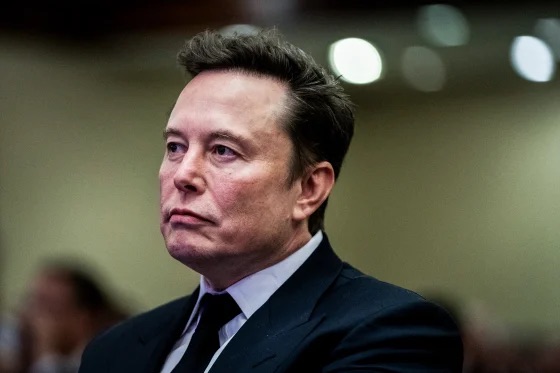
It is not an accident that the first trillionaire lives in the United States. The existence of a trillionaire is only possible in a society in which power has been exalted above love and justice. It is also absolutely not an accident that the first trillionaire is a truly horrific human being.
Our religious views about power matter because the way we value and express power in our world and in our communities is influenced strongly by our religious beliefs.
If there is a benevolent and loving Being or Energy or Mystery that brought forth and sustains the cosmos, I don’t believe such a Being would desire worship from the intelligent and sentient life that has evolved in the universe. I can see such a Being or Energy or Mystery longing for expressions of love, compassion, empathy, kindness, grace, and justice within beloved community, but worship in the sense of subservient praising, kneeling, and bowing down before Divine power does not seem to be what a good and loving Being or entity would desire.
It’s important to note that adherents of religions that emphasize divine power over divine love tend to be the most supportive of autocratic forms of government, with many openly advocating for theocracy. The rise of white Christian nationalism, for example, is connected to a preoccupation with divine power and what this power can do for white Christians rather than focusing on love and justice in beloved community.
Fixation on God’s omnipotence and the concomitant notion that God is in control of all things is also often merely a way of shirking our human responsibility to do all that we can to care for our world.
The notion of an all powerful God who is in control of how everything plays out in the world often leads persons who adhere to such a view of God’s omnipotence to not fully recognize our moral responsibility to do all in our power to preserve and maximize value for all life. A mentality of “God’s got this” can easily lead to a view that what ultimately happens in and to this world is not our responsibility because it is “all in God’s hands.” Why would one worry about the climate crisis or even nuclear annihilation if God is ultimately in control of everything?
The way forward to responsible participation in building a just and beloved community will not be forged by worshipping and celebrating the power of human beings or of a divine being. It will not be forged by giving up our human responsibility by putting it all in the hands of God. Just and beloved community will only come when we value persons and the lives of other-than-human beings over power and profit. It will only come when the expression of love and justice is at the core of every aspect of our lives.

